A Q&A with Elektra Menopause Specialist and Metal Sculptor Carol DerSarkissian
Feb 25, 2026
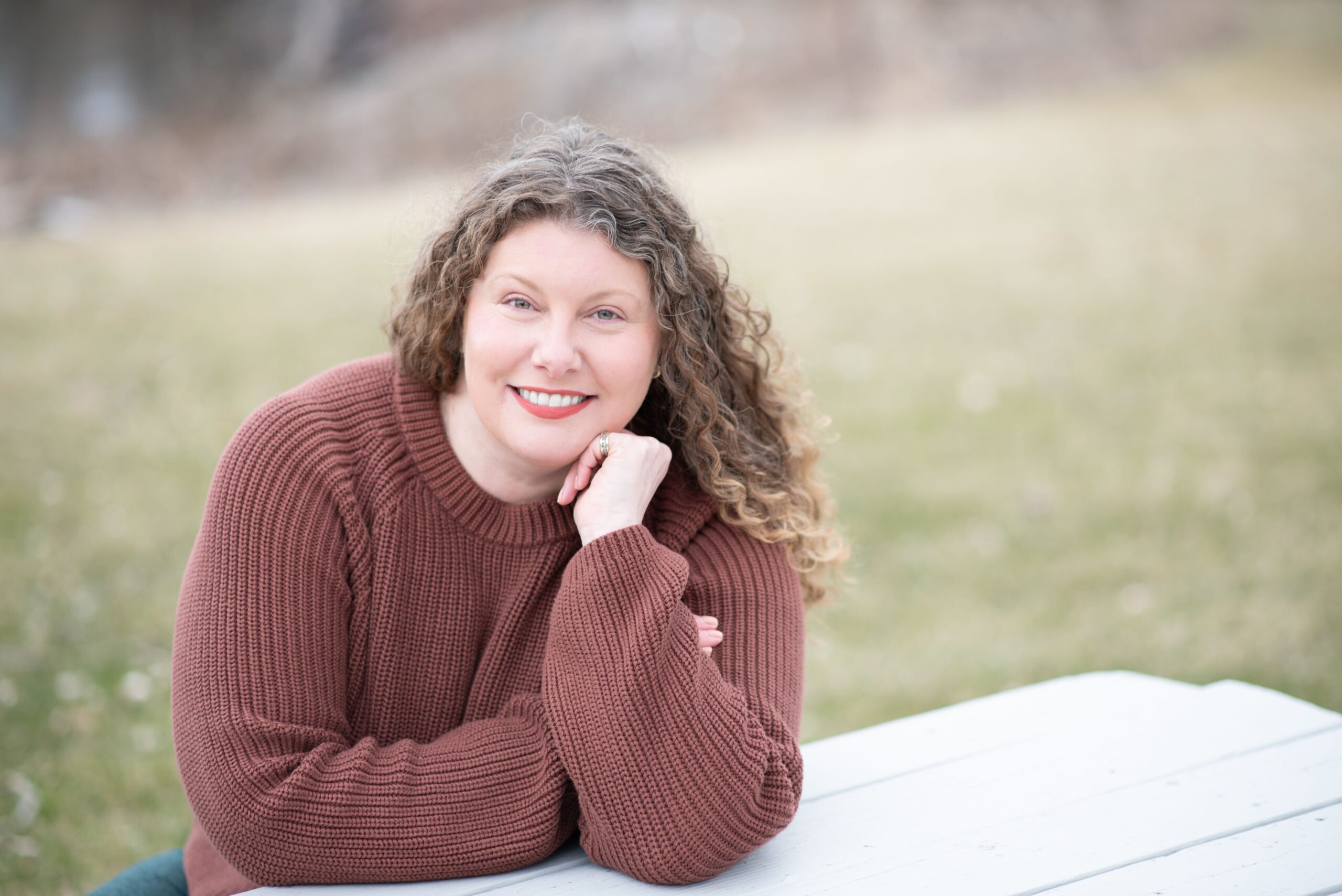
Elektra Health is thrilled to have Carol DerSarkissian, MD MSCP on our clinical team. Carol is a board-certified physician and Menopause Society–Certified Practitioner and a skilled metal sculptor. We sat down with Carol to learn more about her interconnected approach to menopause care, and how her appreciation for both science and the arts shows up in her practice.
What inspired you to go into medicine?
It was really my fascination with how the body functions — the science and physiology of it. We take for granted that our brain works in a certain way and the synapses fire and that tells our brain, our heart, our lungs what to do. If you take a deeper look, human anatomy really is beautiful.
What led you from emergency care to menopause medicine?
I practiced as an emergency physician for 20 years or so and I slowly transitioned into the start-up world where I went from providing traditional care in the academic setting to then being really innovative and pushing the boundaries. I knew there could be a better balance between the two. And as a perimenopausal woman, I began asking, “well, what am I doing for myself? How am I going to take care of myself?” And I realized that the recipe was some of that traditional care combined with being really proactive, which naturally led me to menopause care.
How does your previous experience working with veterans impact your approach to menopause care?
Working with veterans, they’ve gone through so much and may have a lot of physical issues, but there is also a large emotional piece to it. The key is always trying to come from a place of empathy, even when it’s hard to understand what they’ve gone through. They are underserved and sometimes overlooked. Similarly, with women in menopause, society values women for their youth and then their reproductive capabilities. After that, we’re kind of forgotten about, but that’s also when our risks for a lot of conditions go up — it’s a critical period for our health.
What does an interconnected approach to menopause care mean to you?
Menopause care has to be interconnected. We’re having this loss of estrogen and all these symptoms, but the symptoms are kind of the tip of the iceberg. There’s all this silent change that’s happening in our bodies during this time. It’s our metabolic health, our heart health, our bone health — things that may be silent until they’re not. It’s this balance between taking care of symptoms but also being proactive and thinking ahead about how you can safeguard your future health.
Outside of medicine, you’re also an artist. How do you find that these parts of your life lend themselves to one another?
People want a good doctor who, yes, knows the information, but also is a human. The doctor–patient relationship has changed over the years. It used to be more paternalistic, but that’s evolved for the better. This is where the humanities and the arts come in. We shouldn’t just say to a patient: “do X, Y, and Z,” but really ask meaningful questions about what might keep someone from taking care of their health. Good patient care requires a more humanistic approach.
What does life look like when you’re not working?
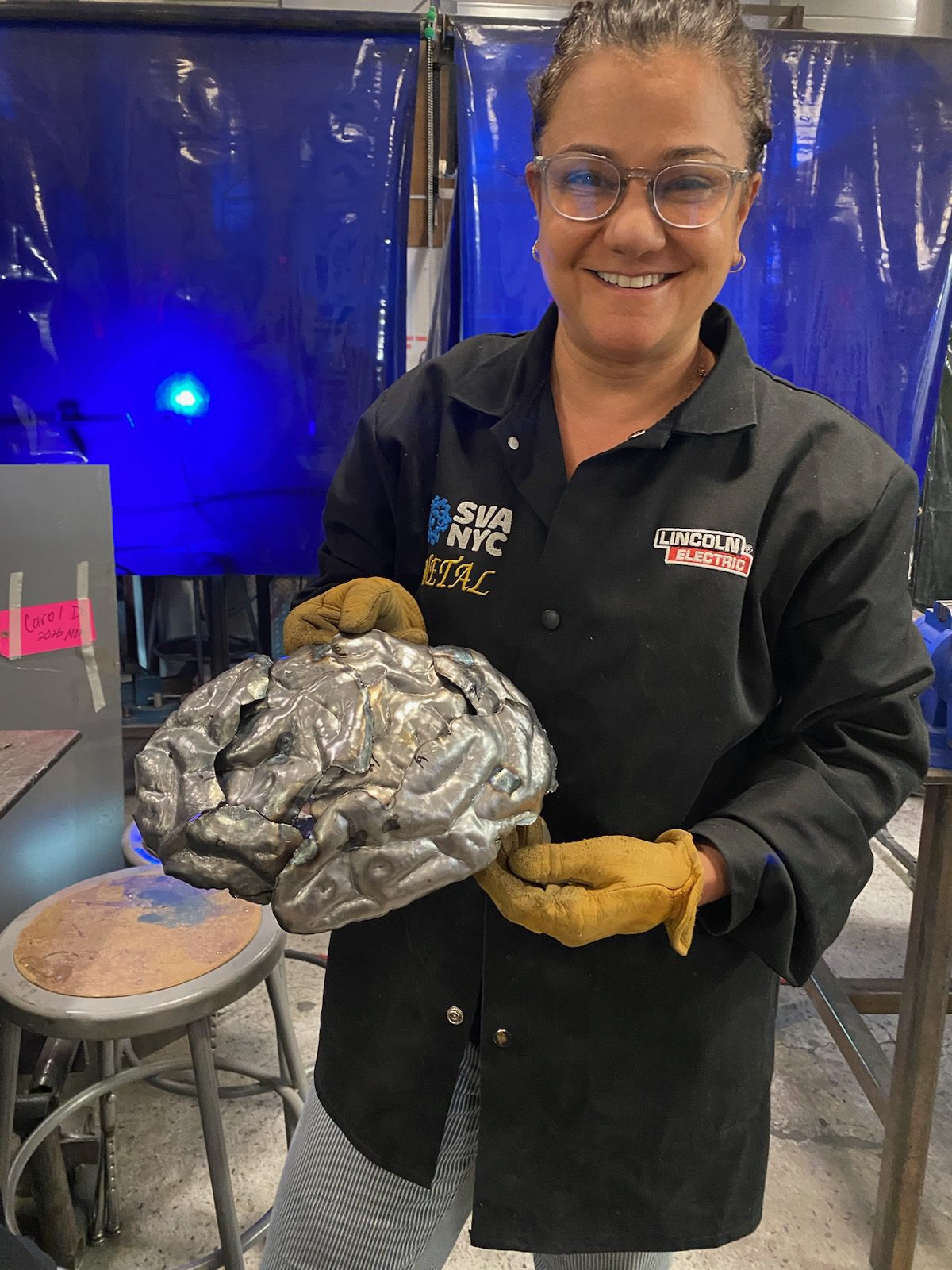
I spend most of my time with my family. I have a husband and two teenage girls, and between soccer games, swim meets, and debates — they’re both avid debaters — I keep busy. I spend a lot of Saturdays at debate tournaments where I’m either watching them, cheering them on, or I’m actually judging. I also go to the School of Visual Arts which has an amazing studio for metal. I work with copper and steel, so I’m often down there cutting, welding, and hammering metal. When my kids are off, we try to travel as a family… hopefully to Thailand in March!