On Mindfulness, Humanitarian Work & Menopause With Elektra Clinician Muni Tahzib
Jul 02, 2026
Elektra Health is on a mission to empower women with the menopause care, education, and community they deserve. Central to that mission are our incredible clinicians who bring deep empathy, world-class training, and diverse life experiences to our virtual exam rooms.
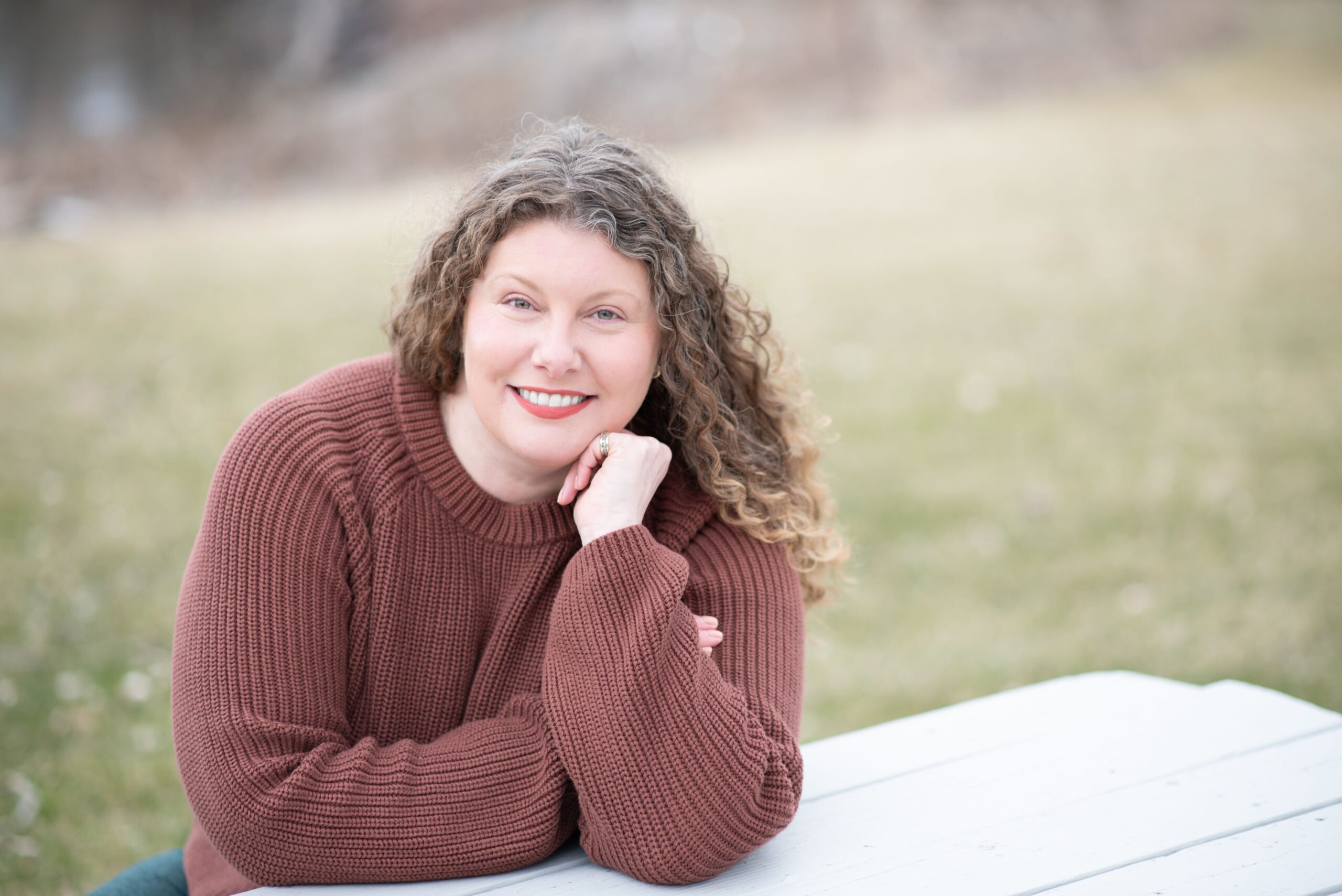
This week, we are thrilled to introduce Muni Tahzib, a Dutch-born physician, global humanitarian, Menopause Society-Certified Practitioner, and certified mindfulness and meditation teacher. From launching grassroots disaster relief missions around the world to navigating her own complex menopause journeys (yes, she went through it twice!), Muni’s whole-person approach to midlife healthcare is rooted in deep compassion and body-mind-soul connection.
We sat down with Muni to chat about her childhood inspiration, the personal health struggles that led her to Elektra, and what she does to find calm in the chaos.
Let’s start at the very beginning. What inspired you to go into medicine?
My father was a dentist in the Netherlands, and because his practice was right in our house, I grew up very familiar with the idea of a doctor helping people in pain. But there was a very distinctive moment when I was about six or seven years old. I saw images on the news of a great famine in Africa. I remember asking my mother, “Why do these children have such big bellies?” She explained to me that they didn’t have enough food and that they were sick. Right then and there, I made a very naive but firm decision: I’m going to be a pediatrician, go to Africa, and help these children.
I also had an uncle who lived in Rwanda. When he came back to visit, he would tell incredible stories about collaborating with locals to build clinics and hospitals. It was always the humanitarian aspect of medicine that drove me.
I was always very interested in music growing up as well—I played the piano and sang in bands. But I eventually figured it’s easier to be a doctor who plays music on the side, but much harder vice-versa!
How does the educational and medical school system in the Netherlands compare to that in the United States.
It’s completely different! In Europe, we don’t have the concept of pre-med or college. You finish high school at age 18 and go straight into university—whether that’s law school, engineering, or medical school. It’s a six-year program consisting of four years of straight theory followed by two years of internships. I graduated and became a medical doctor by the age of 24.
You have to really know that this is what you want to do at a young age. But on the flip side, university is not exorbitantly expensive like it is in the States—I have three kids in college right now in the states, so believe me, I know the pain!
You initially specialized in pediatrics and allergy/immunology. How did you make the transition into women’s health?
I came to the United States for my residency in 1996 through a fellowship at Albert Einstein. The fellowship happened to be in allergy/immunology, which I specifically chose because the program also had an HIV/AIDS component and I was still very interested in humanitarian work.
Although I was originally set on doing pediatrics, I realized during that fellowship that I loved working with adults, too. As life happened, I got married and started having children so the immediate plan to move to Africa shifted. I opened my own allergy practice in Hoboken, New Jersey and eventually sold that to do part-time allergy work and spend more time with my children, especially because one of my children was critically ill for several years and had to undergo many surgeries and transplants.
What eventually brought me to women’s health was my own personal experience. My journey with perimenopause was challenging to say the least. No physician recognized what I was going through. If they did, they just shrugged and said, “It’s normal aging, suck it up.” I had severe night sweats, hot flashes, and extreme fatigue. At the time, I was serving as a frontline doctor in New York City during the peak of COVID-19. Trying to breathe through layers of PPE while experiencing intense hot flashes and severe sleep deprivation was just a total mess.
“No physician recognized what I was going through. If they did, they just shrugged and said, ‘It’s normal aging, suck it up.'”
We know you also faced a significant health challenge recently that shaped your perspective on hormone therapy. Would you mind sharing that?
Last year, I was diagnosed with invasive breast cancer. Because my cancer was hormone receptor-positive, I had to immediately stop my Menopause Hormone Therapy (MHT). As a result, I went through a second menopause, and the hot flashes, night sweats, fatigue and joint pain came back with a vengeance.
Going through it twice, and dealing with the breast cancer scare, gave me an even deeper perspective on the eternal link people draw between hormone replacement and cancer. When patients ask me if I would still recommend hormones despite my diagnosis, I say absolutely. For the four or five years I was on it, the difference was night and day—it made me feel like myself again. The fear is so deeply ingrained in women, even though science has evolved, and I want to help change that narrative. I chose Elektra because I wanted to be part of a platform that makes evidence-based care accessible to all women. That deeply resonated with me.
“The fear is so deeply ingrained in women, even though science has evolved, and I want to help change that narrative.”
Beyond your clinical work, you’ve kept that original passion for humanitarian work alive. Tell us about your disaster relief missions.
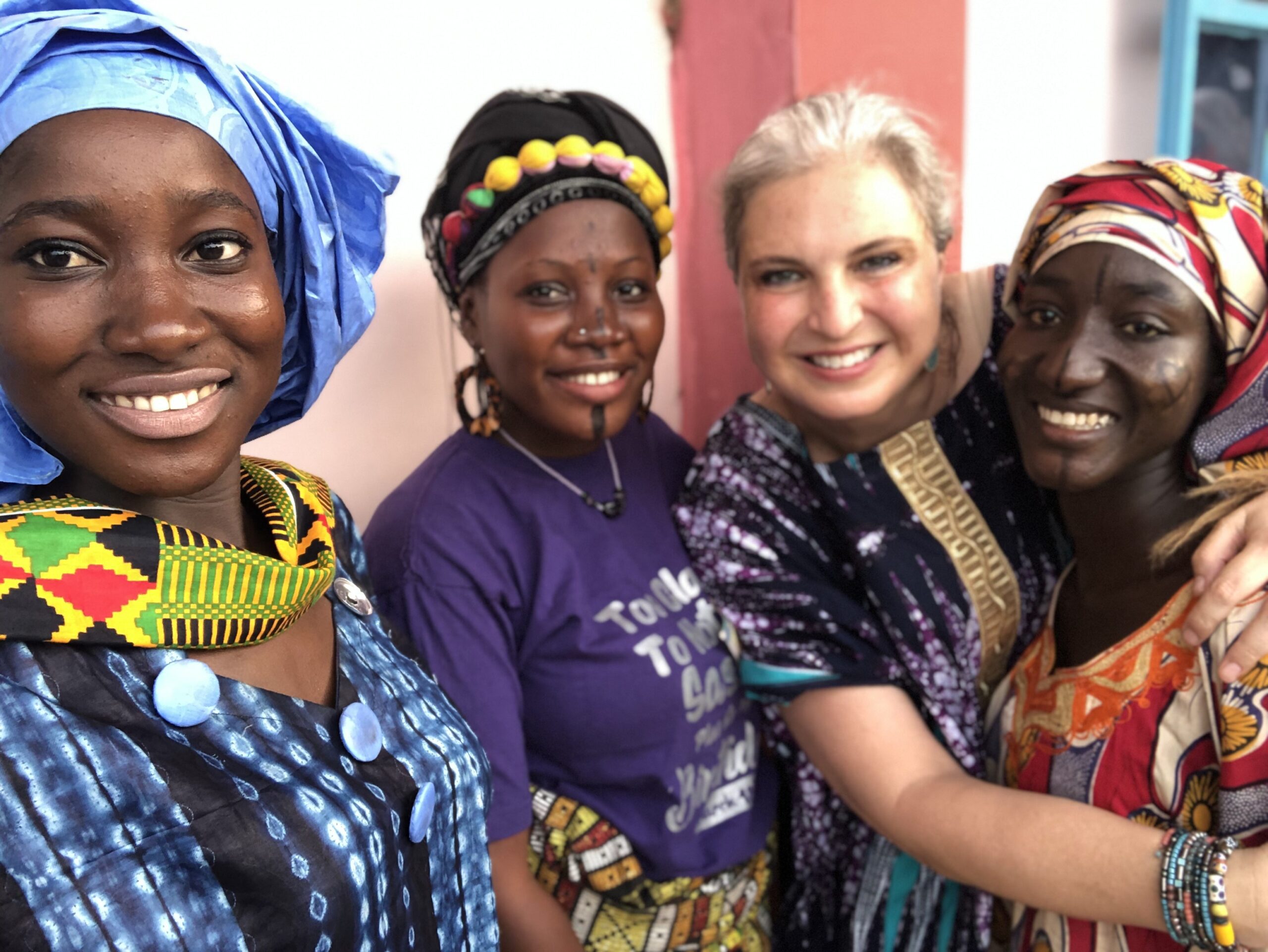
After selling my full-time practice in 2010, the devastating earthquake in Haiti happened. Social media was starting to bring the world’s crises right into our living rooms, and that old “itch” for humanitarian work reemerged. Since then, whenever a natural disaster, war, or crisis strikes, I organize and lead grassroots, volunteer-based medical relief missions.
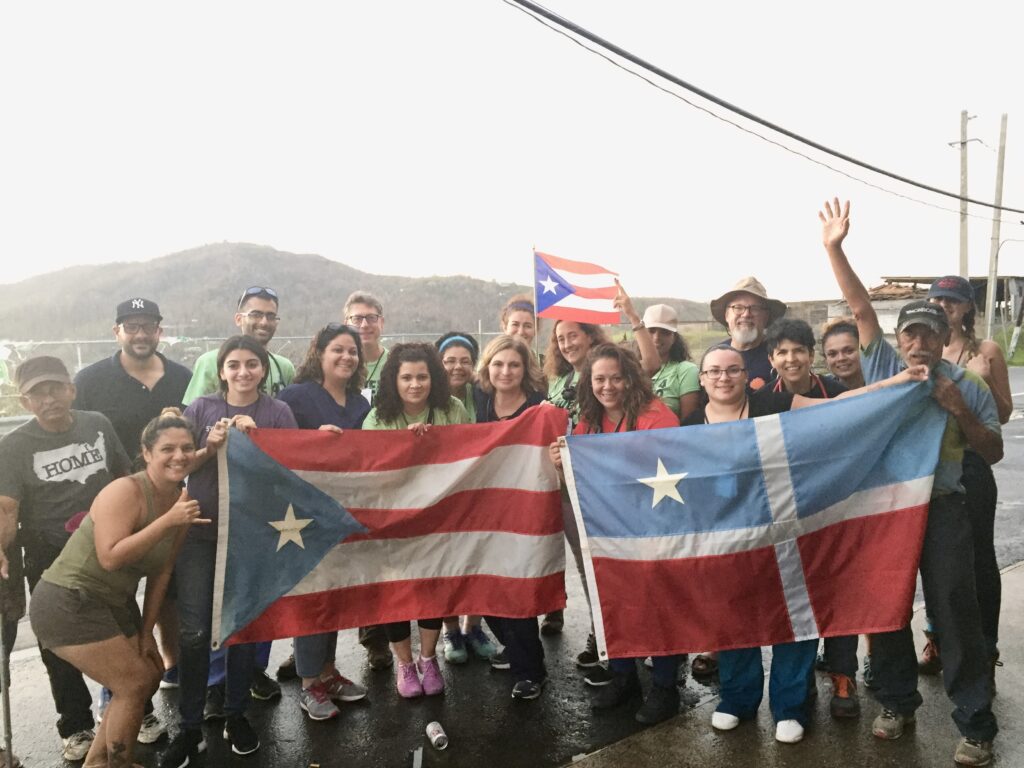
I call the project “Love4” followed by the location—Love4Haiti in 2010, Love4Puerto Rico in 2017 after Hurricane Maria, and more recently, sending teams to Ukraine when the war broke out, and in Jamaica after the massive hurricane last November. Right now we are preparing Love4Venezuela after the devastating 2 earthquakes last week in Venezuela. In 2012, our own home community of Hoboken was severely flooded by Hurricane Sandy and I lost many of my own belongings, so I partnered with Doctors Without Borders to bring localized relief right there, too.
What is your philosophy when leading these relief missions?
I operate on two core principles. First, I never view the people affected as “victims.” Labeling someone a victim implies they are entirely helpless and powerless. I see them as the protagonists of their own environments. I reach out directly to local doctors on the ground and ask: “Do you want help? And if so, what does that help look like?” We bring the medicines and medical supplies that they request, and are respectful of the way they practice medicine and healing. I don’t impose American or “western” ideas of relief.
Second, it’s about accompaniment. We don’t come in from the top down; we walk beside them. Sometimes, especially in places like Haiti where parents lost children, our job is simply to hold space, sit with someone in the dark, and be with them in their pain. I always bring trauma therapists with me, when possible, and we have had wonderful children therapists come and work with the affected children. The resilience of the human spirit in those places has profoundly humbled me and taught me how to navigate my own life’s challenges.
You are also a certified mindfulness and meditation teacher. How does that practice show up in your virtual exam room?
When I was struggling through perimenopause during the frontline chaos of COVID, I desperately needed something to quiet my mind. I already had a personal meditation practice as I’m a member of the Baha’i Faith, but in 2020, I committed to a rigorous two-year training program with Tara Brach and Jack Kornfield. Our class consisted of 2500 people from all over the world.
Mindfulness doesn’t magically make a hot flash disappear, but it teaches you radical acceptance of the physical transitions and the reality of aging. I started hosting free global Zoom meditation sessions during the pandemic to share this gift. Today, in my virtual exam rooms at Elektra, if a patient is anxious, overwhelmed, or struggling with brain fog, I’ll open up the conversation to mindfulness. If they are open to it, we will occasionally even pause and practice a brief, grounding mindfulness exercise right there during the visit.
“Mindfulness doesn’t magically make a hot flash disappear, but it teaches you radical acceptance of the physical transitions and the reality of aging.”
When you aren’t seeing patients or flying across the world on relief missions, what does a typical Saturday look like for you?
I am “die-hard Dutch,” so anytime I get a chance, I am riding my bicycle! When I first moved to New York 30 years ago, nobody biked, there were no bike lanes, and everyone looked at me like I was a crazy person because I didn’t wear a helmet (we don’t wear them in the Netherlands!). It’s amazing to see how much the city’s bike culture has evolved. I do wear a helmet now by the way; my Dutch friends laugh!
I also love playing the piano, listening to music, painting, and escaping into nature to go hiking—whether that’s visiting friends upstate, PA or Connecticut, or just finding a quiet, hidden trail right inside Central Park. And, of course, spending time with my three adult children whenever they come home from college!