6 Exercises for Strength and Mobility in Menopause
May 29, 2026
As you’ve probably heard, strength training during the menopause years is super important for strength, bone loss prevention, and overall mobility.
But, if resistance workouts haven’t been a standard part of your workout routine, it can feel intimidating to jump in—especially if you’re dealing with low energy, joint pain, or any of midlife’s other little joys. (The catch-22 is, of course, that exercise can actually help with these symptoms.)
The good news is, you don’t need a fancy gym to get a good workout in. We teamed up with Registered Dietitian and personal trainer Anita Mirchandani to compile a list of six strength- and mobility-focused exercises that you can do at home.
1. Glute Bridges with Chest Press
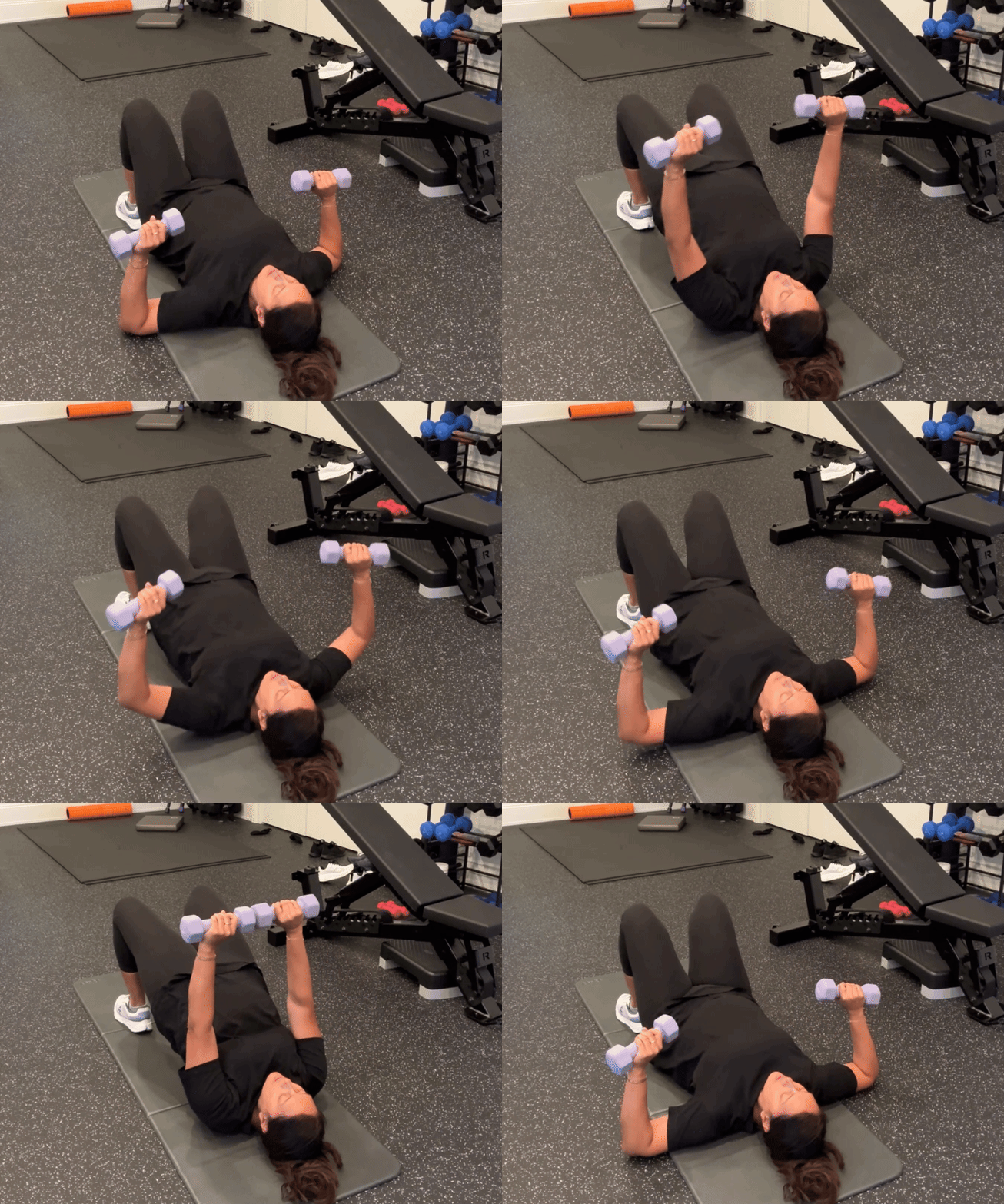
Glute bridges are a great way to improve posture and overall lower body strength. In addition to activating the major lower body muscle groups (glutes, quads, and hips), this exercise targets the chest and shoulders with the chest press addition.
How to do it
- Lie on your back with knees bent and feet flat on the floor
- Hold light weights at chest level
- Press through your heels to lift hips into a bridge
- At the top of the bridge, press weights upward
- Lower weights, then lower your hips with control
2. Side Lunges
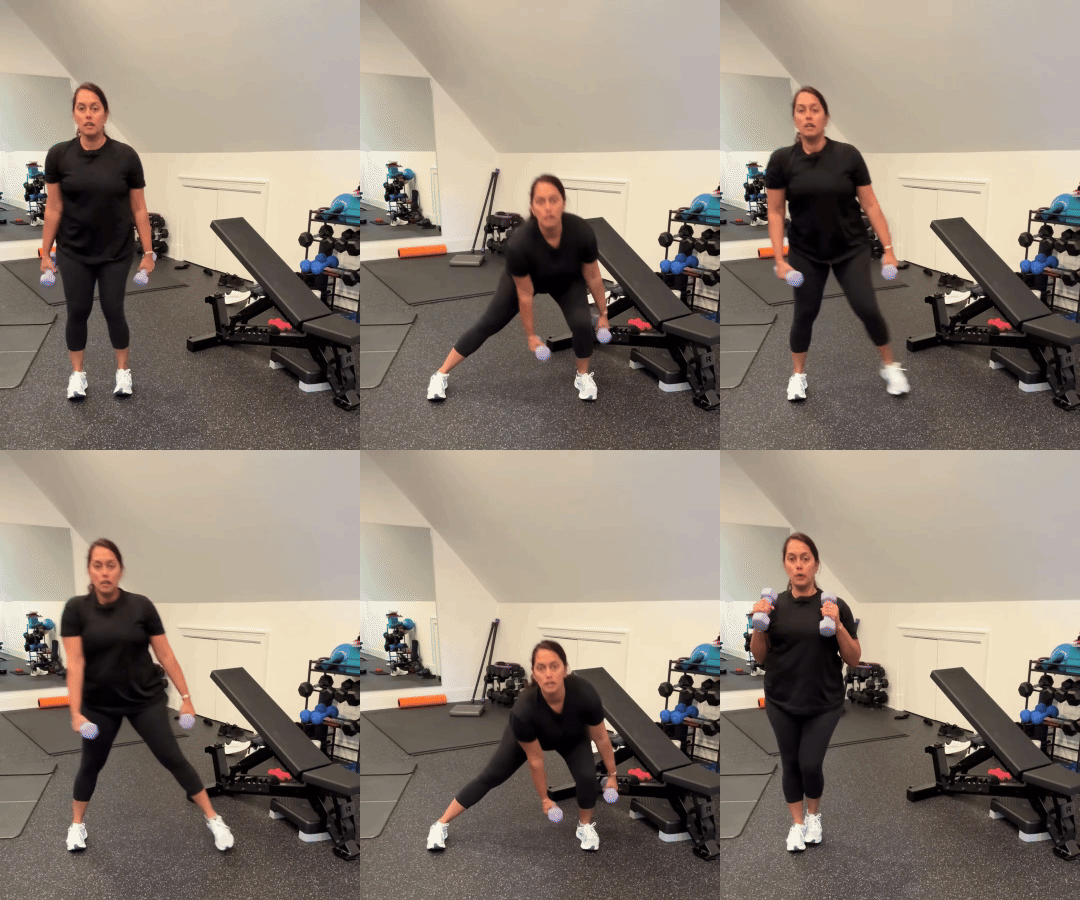
Side lunges strengthen the large lower body muscle groups (quads, glutes, and hamstrings) while also targeting lesser-used areas like the inner thighs and hips. This exercise can help improve hip mobility and overall balance, both of which are important for common lateral movements like vacuuming or moving through a crowd.
How to do it
- Stand tall with your feet together
- Step one foot out to the side
- Bend the stepping knee while pushing your hips back
- Keep the other leg straight
- Push back to your standing and switch sides
3. Full Body Roll-Up
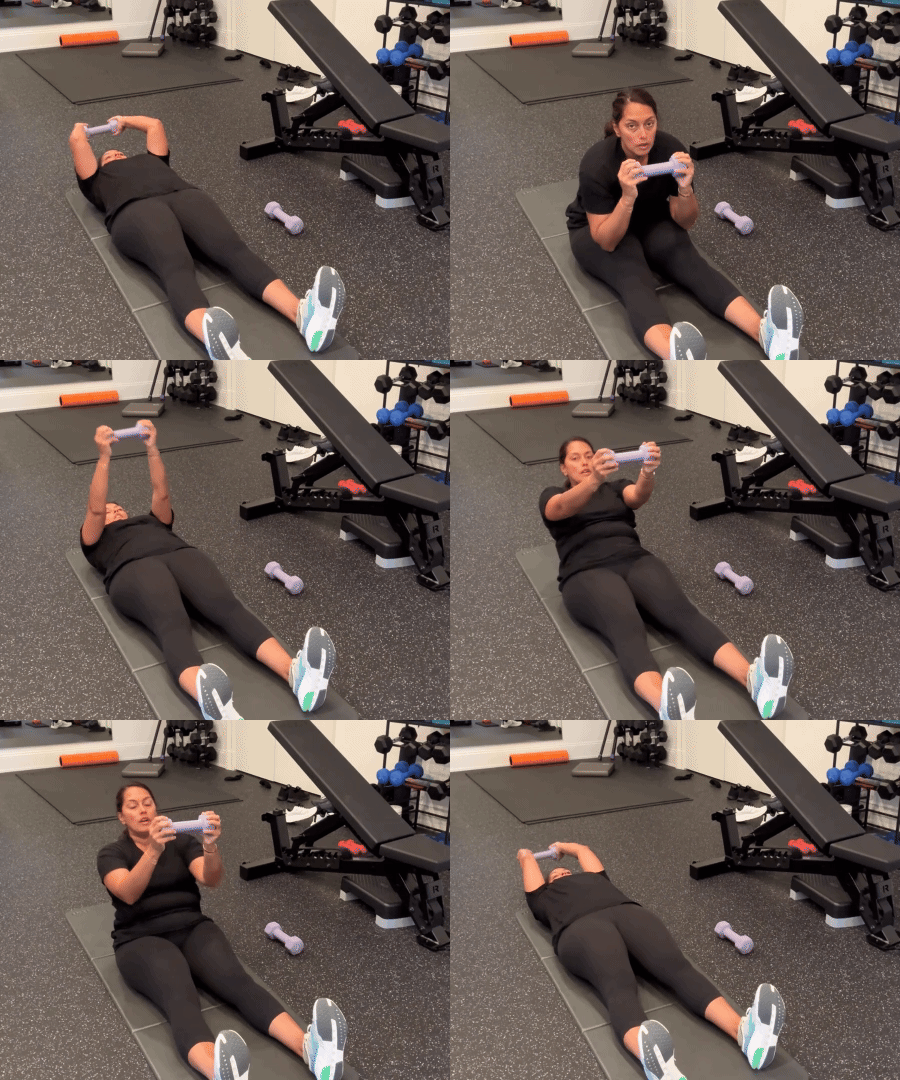
This exercise strengthens deep core muscles (transverse abdominis) and improves spinal flexibility and posture. It can also help with postural alignment and reduce lower back pain or stiffness.
How to do it
- Lie flat with your arms extended overhead
- Inhale and then exhale as you slowly roll up one vertebra at a time
- Reach toward your toes
- Slowly lower back down with control
- Make sure your head is the last thing to touch the ground
4. Push-Ups
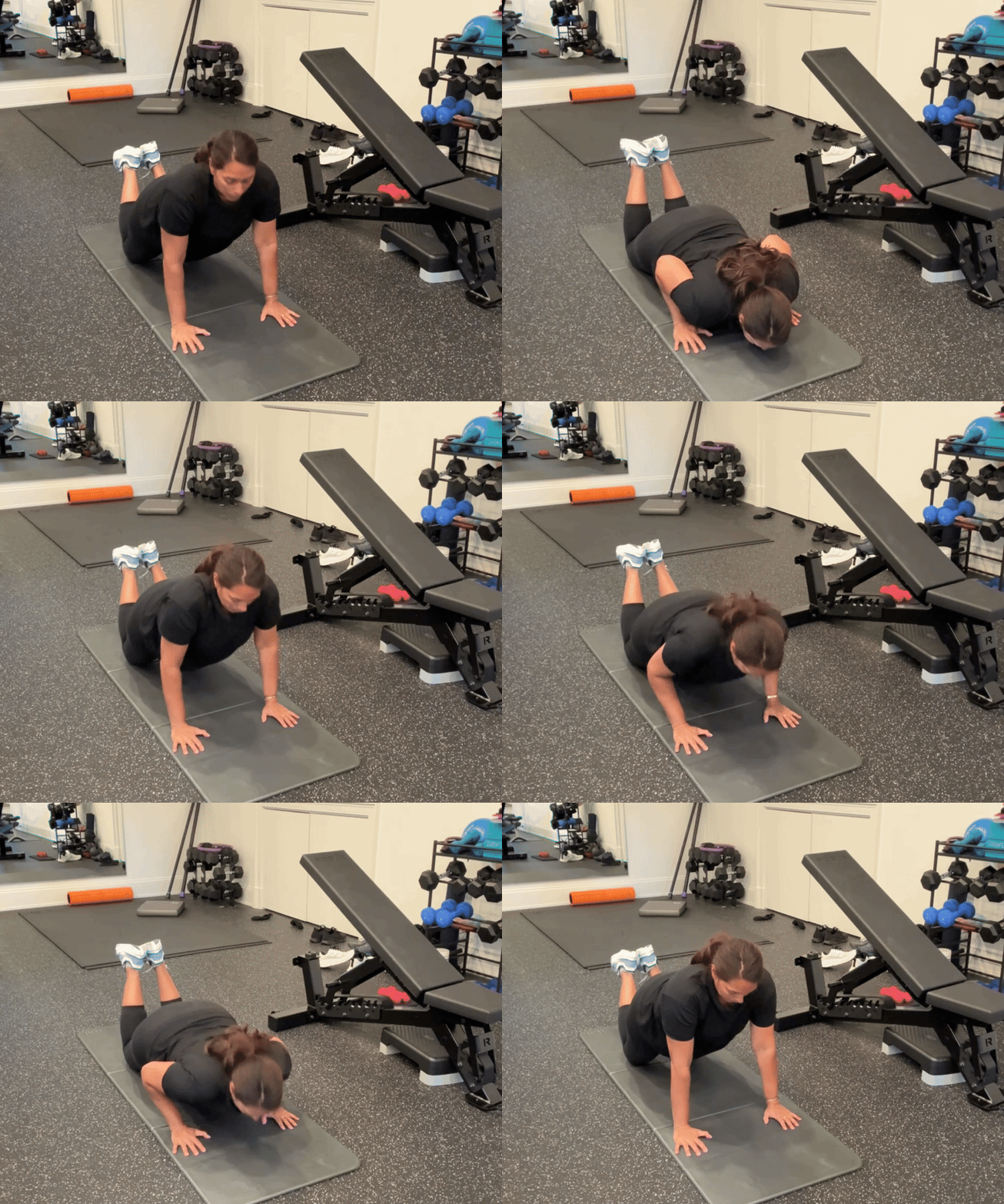
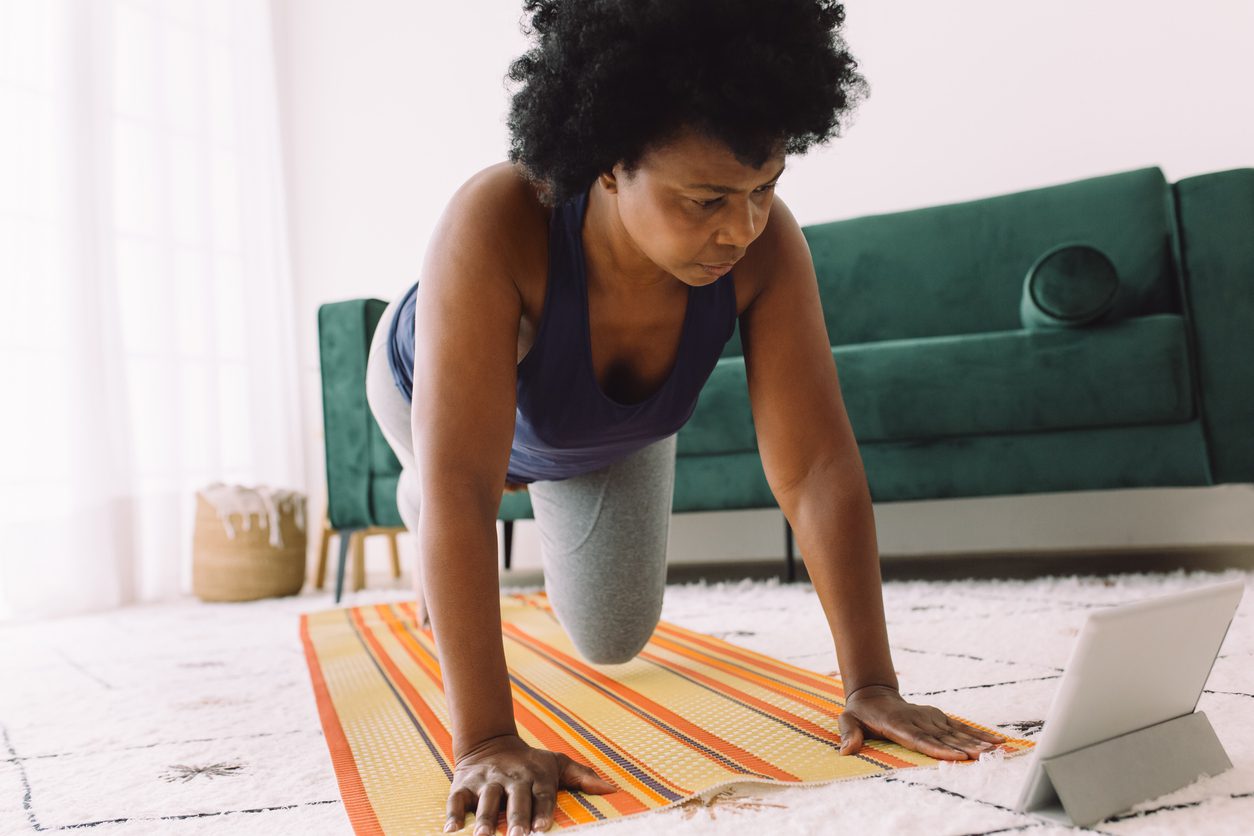
Push-ups are a classic for a reason. This exercise engages the arms, chest, back, and lower body simultaneously. Push-ups can also support upper-body bone density and daily functioning (think: pushing furniture around or picking up a bag of groceries).
If this movement feels inaccessible, modified or knee-down push-ups are equally as effective. In fact, modifying may help you maintain better form, which is a key part of building strength.
How to do it
- Start on your knees (or with hands elevated on a bench/wall)
- Place hands under your shoulders and keep your body in a straight line
- Lower your chest toward the floor
- Push back up, keeping your core engaged
5. Standing Knee Lift with Weight Pull-Down
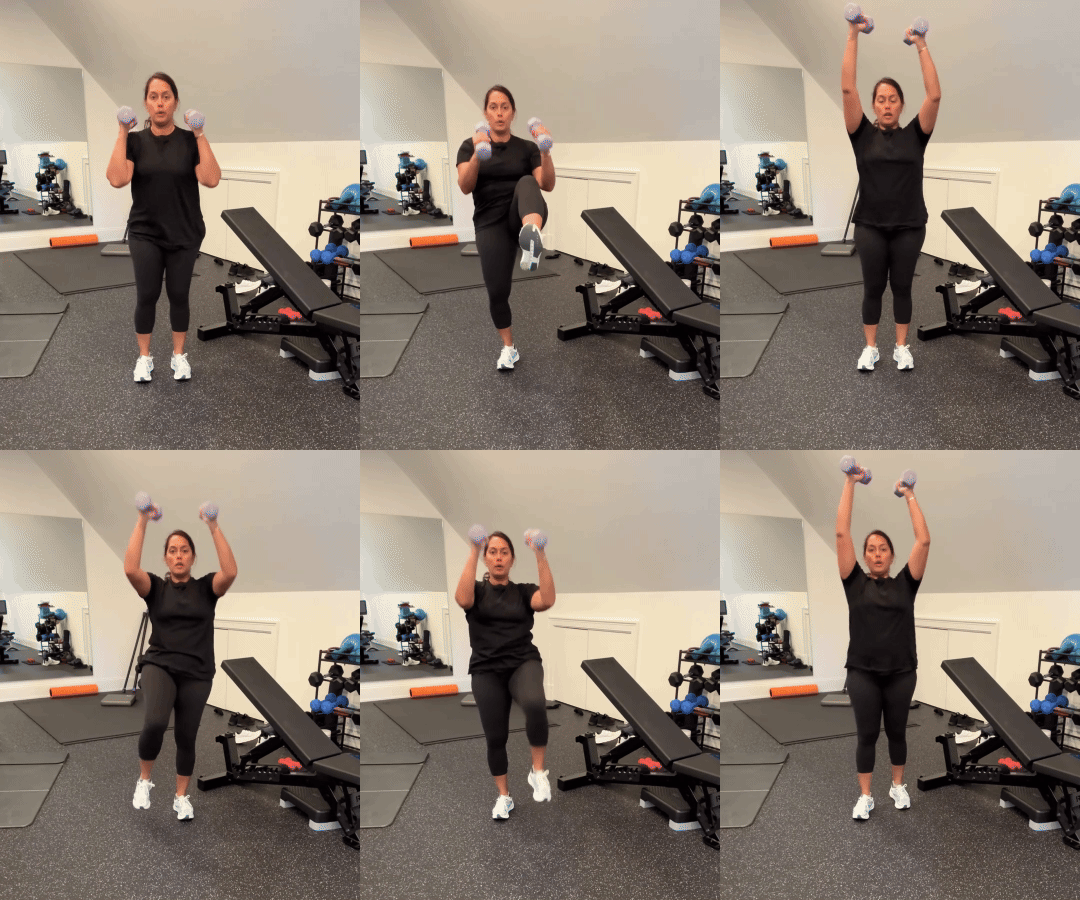
Standing core movements like this are effective for strengthening core stability—which is important for injury prevention as we get older—while improving balance and coordination between the upper body and lower body.
How to do it
- Stand tall holding a weight or band overhead
- Pull the weight down as you lift one knee
- Bring your elbow toward your knee in a slight crunch motion
- Return to start and alternate sides
6. Mountain Climbers
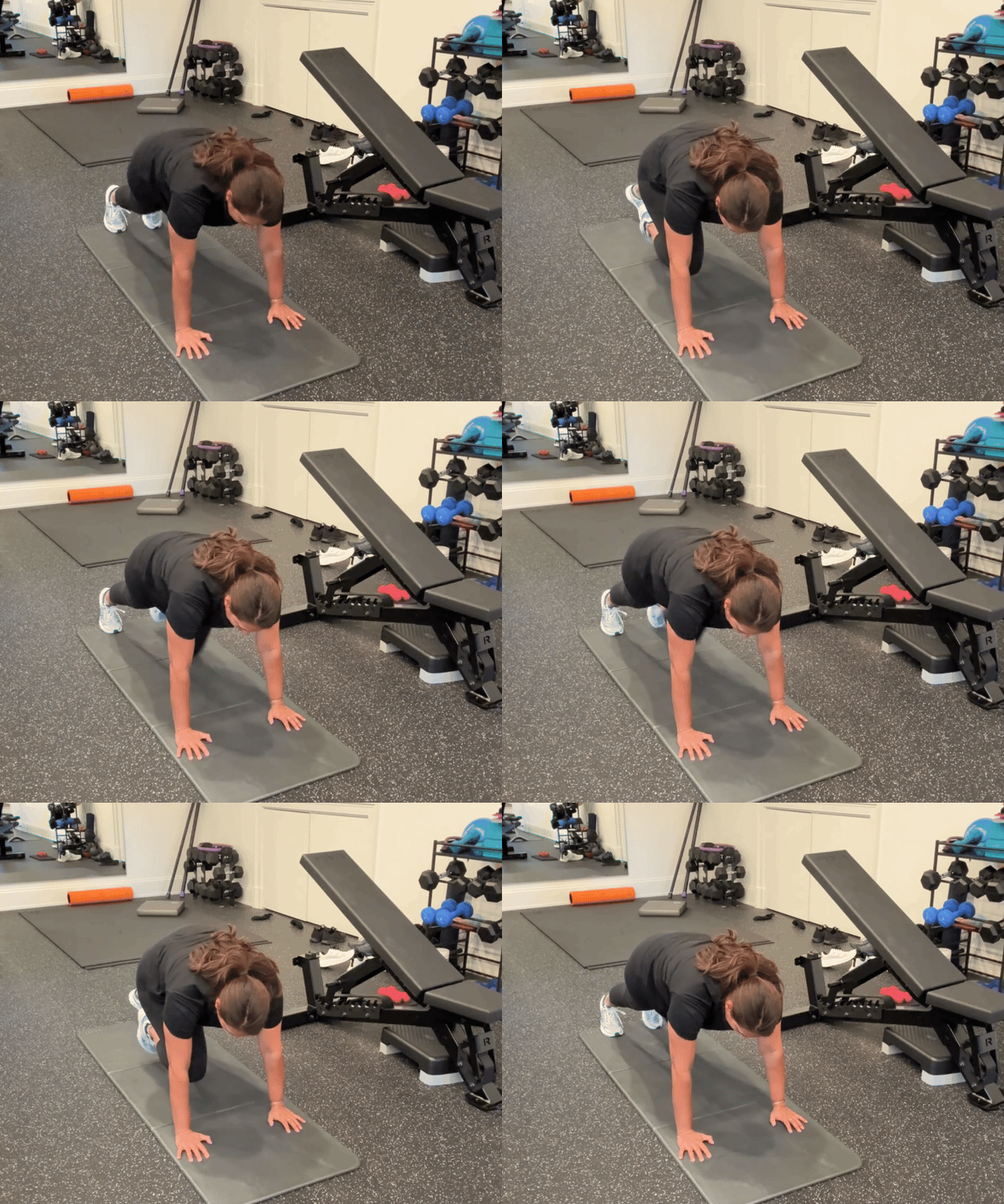
This exercise adds a layer of dynamic movement to a full-body plank. Not only does it build core endurance, but it also helps get your heart rate up. We love a multi-tasker!
How to do it
- Start in a high plank (hands under shoulders)
- Bring one knee toward your chest
- Quickly switch legs in a steady rhythm
- Keep your hips as stable as possible